
Gravity thickeners, also known as settling tanks or sedimentation basins, are often used in wastewater treatment plants, mining operations, and chemical processes. But what drives their operation? And how are they applied in various industries?
What is a Gravity Thickener?
In simple terms, a gravity thickener is a large, circular tank that uses gravity and time to separate solids from liquids. It is designed to collect and treat sludge, a byproduct produced during wastewater treatment. The sludge is typically composed of water and various suspended solids. By increasing the density of the sludge, it is easier and more cost-effective to transport and dispose of the waste.
Gravity thickeners are a staple in the water treatment process, playing a crucial role in the goal of minimizing environmental pollution.
Working Principles of Gravity Thickeners
At the core of a gravity thickener’s operation is the principle of sedimentation. This process involves particles in a liquid settling down at the bottom of a container due to the force of gravity. The main part of the gravity thickener is the circular tank, where the process of thickening takes place.
The incoming sludge is first fed into the center of the circular tank. As the solids begin to settle, the lighter particles (or supernatant) rise, creating layers of material in the tank, with the heaviest solids at the bottom.
An essential factor in this equipment’s operation is time. The longer the sludge can remain in the tank, the more solids can settle. In high-performing gravity thickeners, the solids concentration at the bottom may reach 5% to 10% by weight.
It’s also worth pointing out the importance of the mechanism at the bottom of the tank. A slowly rotating rake offers gentle agitation, promoting the compacting of the sludge while also moving settled solids towards the central outlet for removal.
Curious about more technical details? Delve deeper into the gravity thickener working principle to understand the specifics better.
Applications of Gravity Thickeners
Gravity thickeners are a fundamental component in various areas where liquid-solid separation is necessary. Let’s explore some applications.
Wastewater Treatment
The use of these devices is quite common in municipal wastewater treatment plants. Here, they’re used to thicken primary and secondary sludge before anaerobic digestion or disposal. The goal is to reduce the volume of sludge, therefore minimizing transportation and disposal costs.
Mining
In mining operations, gravity thickeners are used to separate solids from the process water. This separation is crucial to recover valuable minerals and provide clear water that can be reused in the mining process, reducing the need to source fresh water.
Food and Beverage Processing
These industries generate large amounts of waste during the production process. Gravity thickeners can concentrate this waste to decrease disposal requirements. Furthermore, nutrients recovered from the sludge can sometimes be used in animal feed or compost, contributing to sustainability efforts.
Best Practices for Operating Gravity Thickeners
Maintaining optimal performance of a gravity thickener requires adherence to certain best practices. The incoming sludge should be well-mixed, which promotes a uniform distribution of solids in the tank. Operators also need to avoid overloading the system with solids to prevent a reduction in settling efficiency.
Performing regular checks and maintenance of the moving parts, such as the rake mechanism, is necessary to ensure the system operates effectively. Close monitoring of the sludge removal rate is also crucial to avoid the build-up of solids in the tank.
The Future of Gravity Thickeners
Technology continues to evolve, and so too does the use and design of gravity thickeners. Innovations in equipment design and enhancements in automation aim to decrease the need for hands-on management, increase efficiency, and improve the quality of sludge removal.
For instance, incorporating sensors for real-time data helps in optimizing the thickening process. Ahead, further advancements in technology could potentially rely on AI and machine learning for better prediction and control of the thickening process.
Unraveling the science and application of gravity thickeners may seem complex initially, but as you dig deeper, it offers a fascinating insight into the intelligent design and utilization of fundamental principles of nature. With an effective understanding, we can appreciate how such devices contribute to environmental sustainability and efficient waste management.
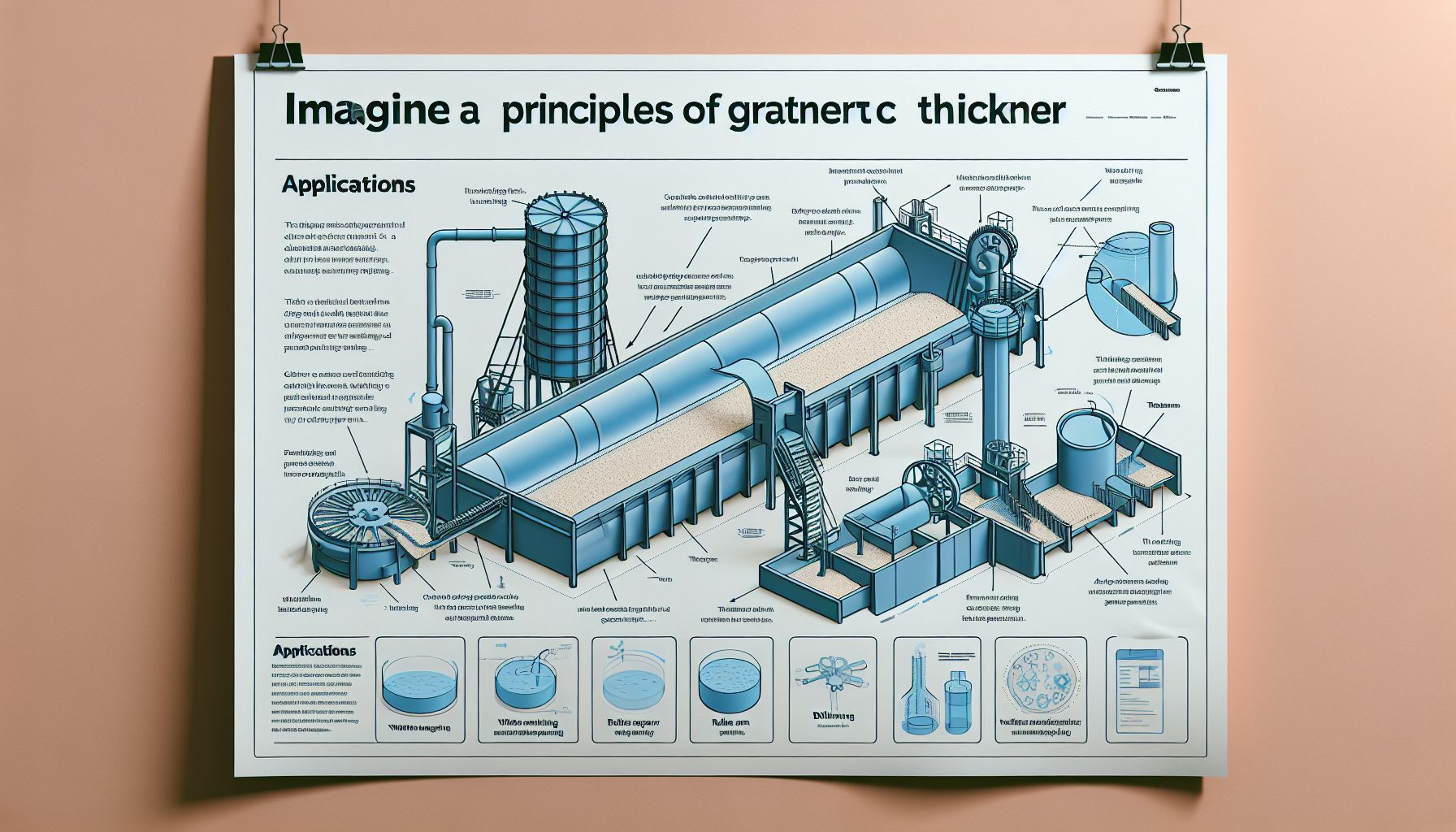
The mighty gravity thickener, a giant in the world of waste treatment, ensuring a greener tomorrow.