
Mechanical sludge thickening equipment serves a crucial role in waste management processes, mainly in wastewater treatment systems. Fundamentally, it is essential to the process of reducing the total volume of sludge, thereby cutting down on transportation and disposal costs over the long run. But how precisely does this equipment accomplish this job? What contributes to its efficient design? Let’s dive deep into the mechanics of sludge thickening and its innovative design prowess that ensures optimal performance.
An In-Depth Look at Sludge Thickening
Sludge thickening is a physical process designed to minimize the volume of waste materials. These materials are often a byproduct of water and wastewater treatment processes. Thickening concentrates these compounds in a process referred to scientifically as dewatering, increasing the dry solids content and reducing the free water fraction.
According to a report by the Environmental Protection Agency (EPA), the resultant thickened sludge reduces the volume of sludge, minimizes the costs of subsequent sludge processing steps, and limits the size of downstream sludge treatment equipment [^1^]. The effectiveness of this thickening process essentially depends on the type and design of the mechanical sludge thickening equipment employed.
The Significance of Mechanical Sludge Thickening Equipment
The use of mechanical sludge thickening equipment has become increasingly standard in various sectors, particularly in the wastewater treatment sector. There is a concrete reason for this.
Mechanical equipment efficiently separates the solid components from liquid waste, thus reducing the volume of sludgy septage. High solid contents of sludge bring about a host of benefits that range from significant cost savings to remarkable energy efficiency.
But beneath these benefits lies a vastly intricate, meticulous design that encompasses several components and principles, each contributing immeasurably to the system’s overall efficiency.
The Design Aspects of Mechanical Sludge Thickening Equipment
The design and operation of sludge thickening equipment depend on the type of sludge being treated. Most mechanical sludge thickeners function based on either of two principles: gravity settlers or centrifuges.
Gravity Settlers
Gravity settlers are commonly used to separate solid particles from the surrounding liquid based on their differences in specific gravity. Typically designed with parallel plates or tubes, these systems allow water to flow upward, enabling the denser solid particles to settle down due to gravity.
Centrifugal Thickeners
Centrifugal thickeners, on the other hand, rely on the principle of centrifugation. The dense sludge is forced to the periphery of the rotating bowl due to the centrifugal forces generated, while the relatively lighter water is forced to the center and subsequently decanted off.
Both systems necessitate thoughtful design and regular maintenance to ensure optimal performance. For instance, the structure of the settling plates in gravity thickeners or the rotation speed in centrifugal thickeners can significantly influence dewatering efficiency.
Also worth noting, both sludge thickening methods must align well with strict environment regulations, such as the Florida water quality standards, to preserve the health of the planet.
Leveraging Mechanical Sludge Thickeners: A Concrete Example
Let’s look at a tangible example for clarity. 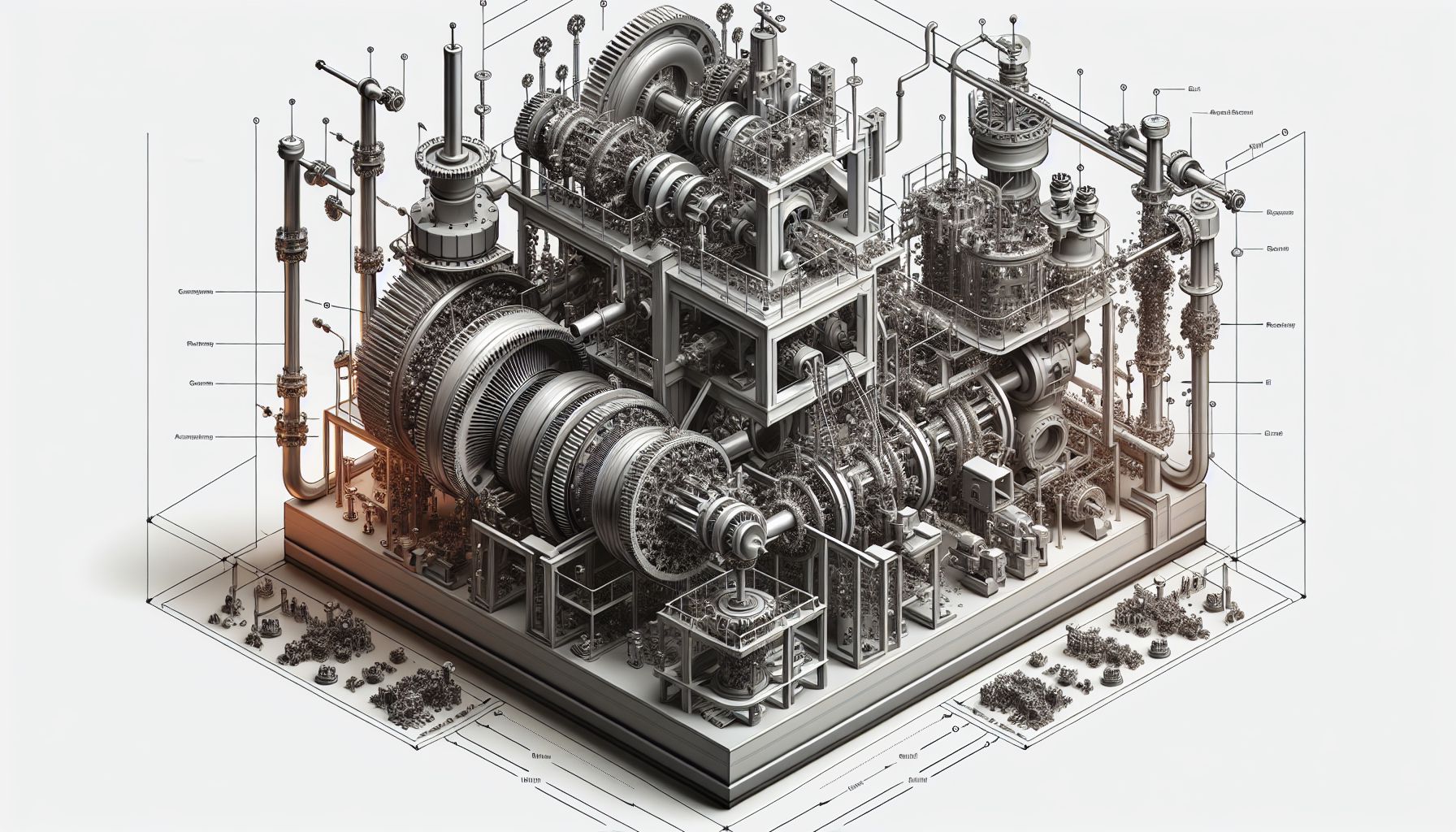
The Gravity Belt Thickener, a type of mechanical sludge thickener, effectively thickens sludge through a series of stages. First, polymer solution is added to condition the sludge. Next, the conditioned sludge is drained through a porous moving belt while the thickened sludge is scraped off the top. The result? Up to 98% of water originally present in the sludge is removed, providing immense operational cost savings over time.
Potential Design Innovations for Mechanical Sludge Thickeners
Future trends suggest a growing interest in enhancing the efficiency of mechanical sludge thickeners through innovative design elements. Some techniques include improving the control parameters in real time, optimizing polymer dosage, and integrating advanced IoT systems for accurate data acquisition.
Moreover, it is anticipated that the increased emphasis on green and sustainable technologies will lead to the development of energy-efficient sludge thickening systems that align well with environmental standards and regulations. Pioneer new designs, renewable energy sources, innovative materials – it seems the potential to advance this essential machinery and principles is limitless.
So whether you’re a structural engineer, waste management professional, or simply a pro-environment enthusiast, the field of mechanical sludge thickening equipment poses a fascinating study. It holds a promise for the future – a future where waste is no longer a worry, but a manageable aspect of our civilised world.
[^1^]: United States Environmental Protection Agency. (1987). Design Manual: Dewatering Municipal Wastewater Sludges. US EPA.